

What is the difference between a health tracker smart ring and a fitness tracker?
Leave a message

In the ever - evolving landscape of wearable technology, health and fitness trackers have become indispensable tools for individuals striving to maintain a healthy lifestyle. Among the various devices available, health tracker smart rings and traditional fitness trackers stand out as popular choices. As a supplier of health tracker smart rings, I am well - versed in the nuances that differentiate these two types of wearables. This blog aims to delve into the differences between a health tracker smart ring and a fitness tracker, highlighting the unique features and benefits of each.
Design and Wearability
One of the most noticeable differences between a health tracker smart ring and a fitness tracker lies in their design and wearability. Fitness trackers are typically worn on the wrist, resembling a watch or a bracelet. They come in various sizes and styles, with bands made from materials such as silicone, leather, or metal. While wrist - worn fitness trackers are convenient and offer a relatively large display for viewing data, they can sometimes feel bulky or restrictive, especially during activities like sleep or certain sports.
On the other hand, a Smart Ring is a sleek and discreet device that is worn on the finger. Its compact size and lightweight design make it almost unnoticeable during daily activities. The ring can be worn 24/7 without causing any discomfort, even during sleep or while performing tasks that require dexterity. This constant wearability allows for continuous data collection, providing a more comprehensive picture of the user's health and activity levels.
Health Monitoring Capabilities
Both health tracker smart rings and fitness trackers are equipped with sensors to monitor various health and fitness metrics. However, the depth and accuracy of these measurements can vary.
Fitness trackers are primarily focused on activity tracking. They can measure steps taken, distance traveled, calories burned, and active minutes. Many fitness trackers also include features such as heart rate monitoring, sleep tracking, and GPS for outdoor activities. These devices are great for users who are mainly interested in tracking their physical activity and setting fitness goals.
A Health Tracker Smart Ring, on the other hand, offers a more comprehensive approach to health monitoring. In addition to the basic activity and heart rate tracking, smart rings can measure blood oxygen saturation (SpO2), body temperature, and even stress levels. The proximity of the ring to the blood vessels in the finger allows for more accurate and sensitive measurements. For example, blood oxygen monitoring can be crucial for detecting sleep apnea or other respiratory issues, while body temperature monitoring can provide early warnings of illness.
Data Analysis and Insights
The data collected by both devices is only valuable if it can be analyzed and translated into meaningful insights. Fitness trackers usually come with companion apps that allow users to view their activity data, set goals, and compare their progress with friends or other users. These apps often provide basic analytics, such as daily summaries and trend graphs.
Health tracker smart rings, however, often offer more advanced data analysis and personalized insights. The comprehensive health data collected by the ring can be analyzed using sophisticated algorithms to provide a more in - depth understanding of the user's health status. For example, the ring can analyze sleep patterns to identify factors that may be affecting the quality of sleep, such as stress or diet. It can also provide personalized recommendations for improving health and well - being based on the user's individual data.
Battery Life
Battery life is an important consideration for any wearable device. Fitness trackers typically have a battery life that ranges from a few days to a couple of weeks, depending on the model and usage. However, features such as continuous heart rate monitoring, GPS, and a large display can drain the battery more quickly.
Smart rings, due to their smaller size and lower power consumption, generally have a longer battery life. Most health tracker smart rings can last for several days on a single charge, even with continuous monitoring of multiple health metrics. This means less frequent charging and more uninterrupted use, which is especially important for continuous health monitoring.
Social and Connectivity Features
Many fitness trackers come with social features that allow users to connect with friends, join challenges, and share their achievements on social media. These features can provide motivation and a sense of community for users who are looking to stay active.

While health tracker smart rings may not have the same level of social features as fitness trackers, they are still highly connected devices. They can sync with smartphones via Bluetooth, allowing users to receive notifications, such as calls, texts, and app alerts. Some smart rings also support integration with other health and fitness apps, providing a seamless experience for users who want to consolidate their health data.
Price
Price is often a determining factor when choosing a wearable device. Fitness trackers come in a wide range of prices, from budget - friendly models to high - end devices with advanced features. The price of a fitness tracker can depend on factors such as brand, features, and display size.
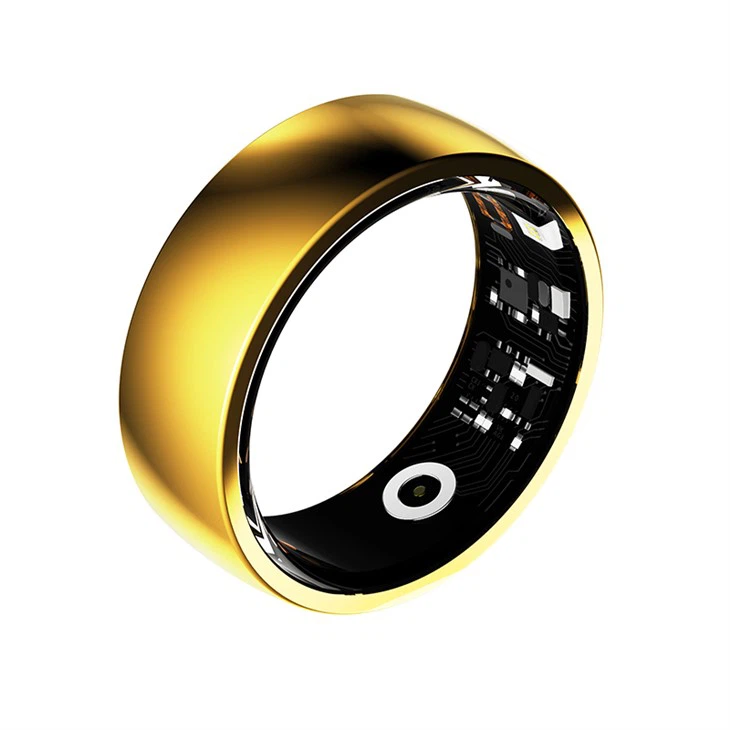
Health tracker smart rings are generally more expensive than budget fitness trackers but offer a unique combination of features and functionality. The cost of a smart ring is often justified by its advanced health monitoring capabilities, sleek design, and long - term battery life.
Use Cases
The differences in design, features, and functionality of health tracker smart rings and fitness trackers also lead to different use cases. Fitness trackers are ideal for individuals who are primarily focused on fitness and exercise. They are great for tracking workouts, setting fitness goals, and competing with friends.

Health tracker smart rings, on the other hand, are better suited for users who are interested in comprehensive health monitoring. They are perfect for individuals who want to keep track of their overall health, including sleep quality, stress levels, and vital signs. The discreet design of the ring also makes it suitable for use in professional or social settings where a wrist - worn device may be less appropriate.
Conclusion
In conclusion, both health tracker smart rings and fitness trackers have their own unique advantages and disadvantages. Fitness trackers are excellent for activity tracking and social motivation, while health tracker smart rings offer more comprehensive health monitoring and a discreet, comfortable design.
As a supplier of Activity Fitness Tracker Smart Ring, I believe that the future of wearable technology lies in devices that can provide accurate, continuous health data in a convenient and unobtrusive way. Our health tracker smart rings are designed to meet the needs of modern consumers who are looking for a holistic approach to health and well - being.
If you are interested in learning more about our health tracker smart rings or are considering a bulk purchase for your business or organization, we invite you to reach out to us for a detailed discussion. Our team of experts is ready to assist you in finding the perfect solution for your needs.
References
- Fitbit. "Fitness Trackers: How They Work and Their Benefits." Fitbit.com.
- Oura Ring. "The Science Behind Oura: How We Measure Your Health." Oura.com.
- Garmin. "Garmin Fitness Trackers: Features and Specifications." Garmin.com.


